Trusted Movers in West Hollywood, CA
Moving Services in West Hollywood



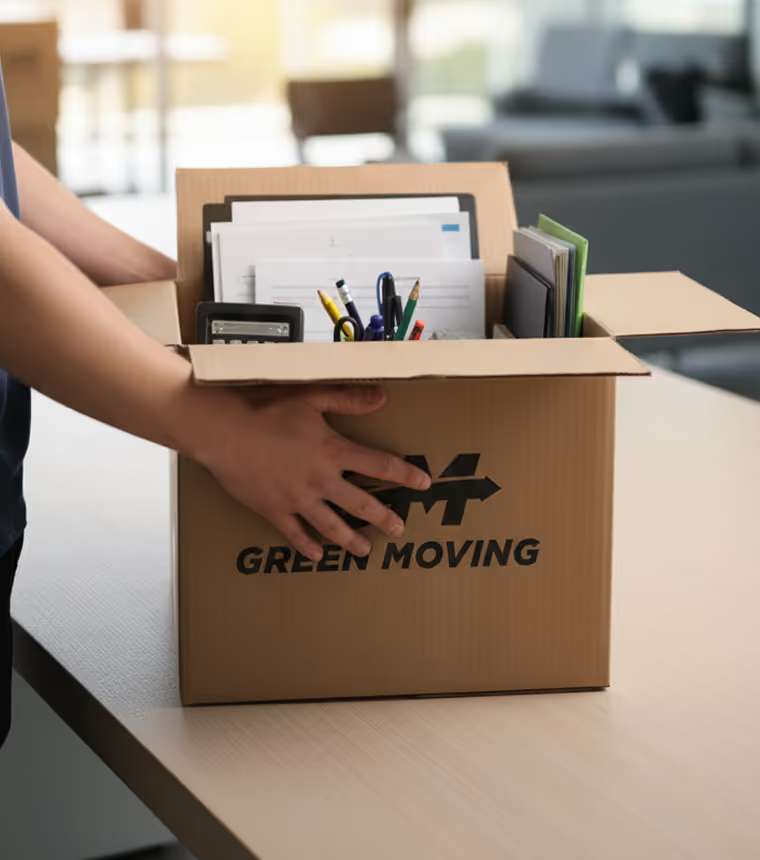
Moving in West Hollywood, CA
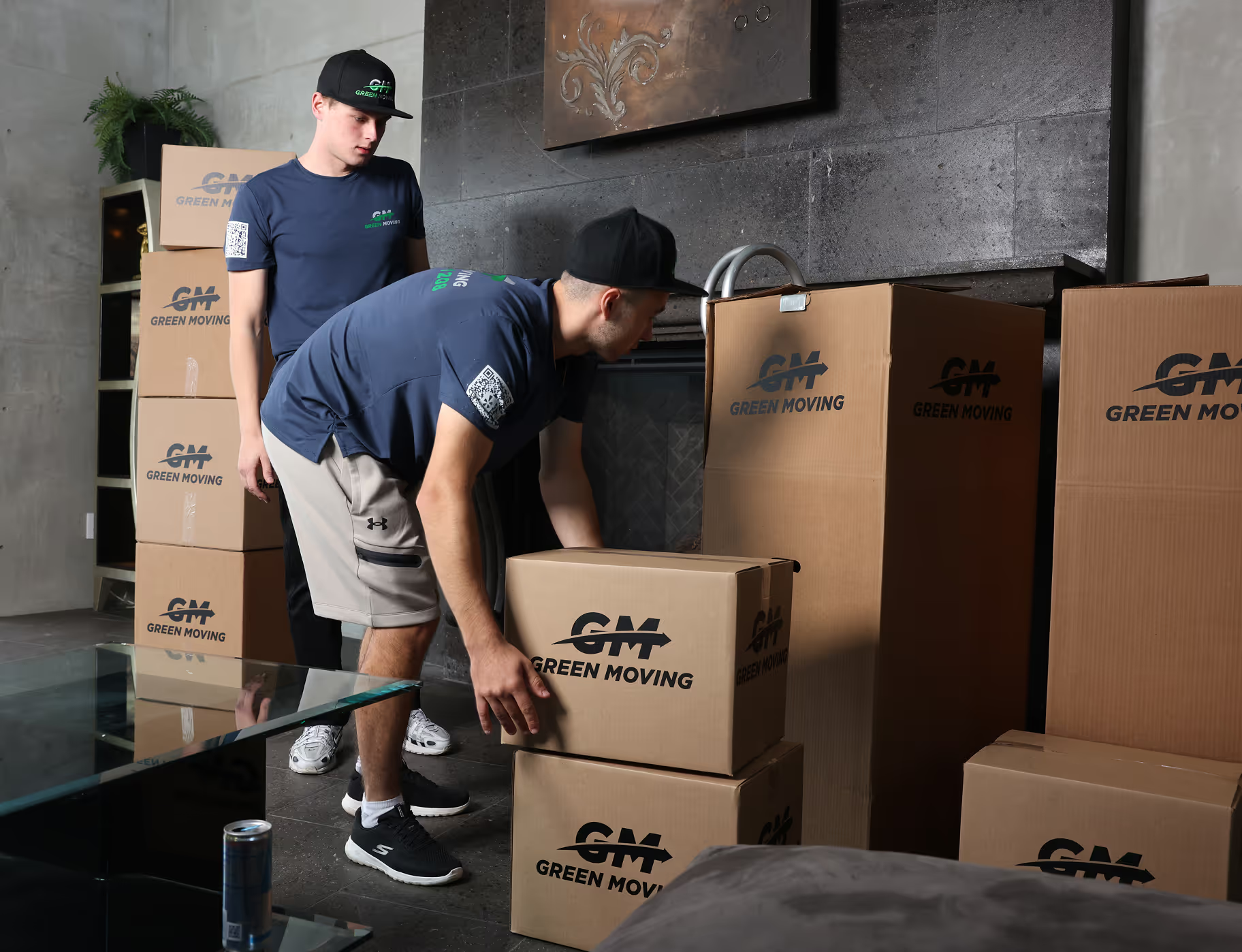
Moving in West Hollywood, CA
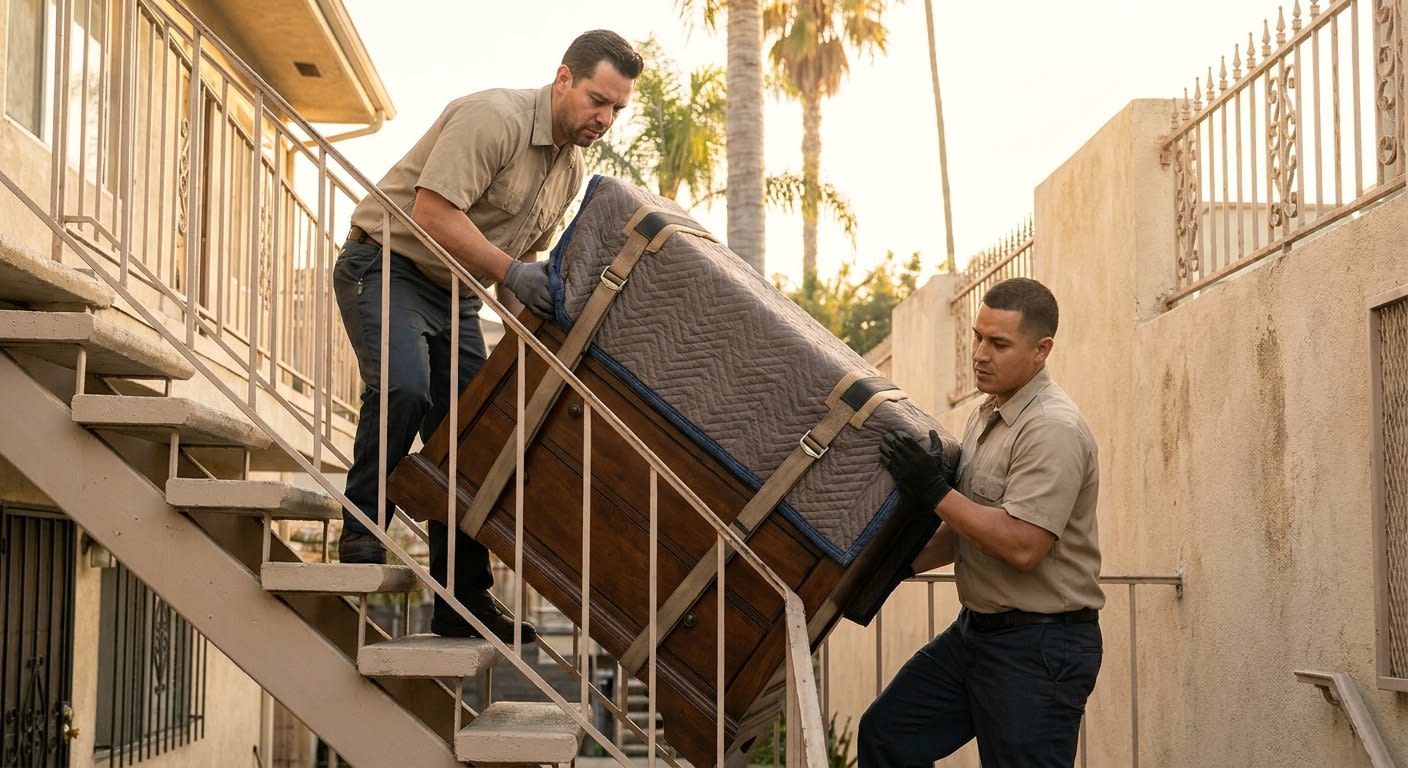
Much of the housing is decades old. A City historic resources survey update included over 2,000 properties built before 1984 in the R2, R3 and R4 multi-family zones, and the Historic Preservation Commission reviewed it in January 2025. In buildings of that age we lay floor runners, pad railings and door frames, and check large pieces against doorways before moving day.
Green Moving holds California permit CAL-T201327 from the Bureau of Household Goods and Services and USDOT number 4312802. Moves around the city are billed by the hour, with current rates on the pricing page, while a move to another state runs on our long-distance service with a binding estimate.
Four Things We Do on Every West Hollywood Move



What West Hollywood Clients Say



How a West Hollywood Move Comes Together
Address Review
Building Paperwork
Arrival Window
Load and Drive
Placement
frequently Asked Questions

What West Hollywood Movers Plan Before Moving Day
What West Hollywood Movers Plan Before Moving Day
Where the Truck Stops: Crosswalks, Signs and Fountain Avenue
Since January 1, 2025, West Hollywood has cited vehicles parked within 20 feet of the approach side of any crosswalk, marked or unmarked, whether or not the curb is painted red; where the curb is extended, the distance is 15 feet. A box truck parked close to a corner can draw a ticket on a curb that looks legal. We measure the stop back from the crosswalk, not from the paint.
Fountain Avenue gets its own plan. On some segments, curb parking is available only midday or overnight, and the City's Fountain Avenue Streetscape Project, with construction anticipated in fall 2026, will keep curbside parking on the south side only. For a Fountain address we check the posted hours on that block and fit the loading inside them, or plan a longer carry from a legal spot on a side street.
When the only workable curb is metered or posted, a reserved space may be the answer. Whether one can be reserved, and how far ahead to ask, is up to the City of West Hollywood, so check with the City early. We will tell you how much curb the truck needs and where it should sit relative to your entrance.
Apartment and Condo Buildings: What to Ask the Manager
About 81% of West Hollywood's roughly 26,100 housing units are in buildings with five or more units, and about one in five is in a building with 50 or more. Buildings that size often have a manager or HOA with move rules, so we ask about them at booking; the answers set the crew size and the start time. Before the date, get answers to these questions:
- Does the elevator need to be reserved, and for how long?
- Which days and hours are moves allowed?
- Where should the truck load: the street, a driveway or the garage, and is there a height limit?
- Is a certificate of insurance required? We issue a COI for $50 per building, as listed on our pricing page.
Age matters too: the median housing unit was built in 1965, and about 80% of units predate 1980. When a sofa or armoire looks tight for a doorway or elevator, we ask for measurements ahead of time, and the crew brings floor runners and door-jamb pads. Our residential moving page covers the rest of an apartment or condo move.
From the Sunset Strip to the Design District
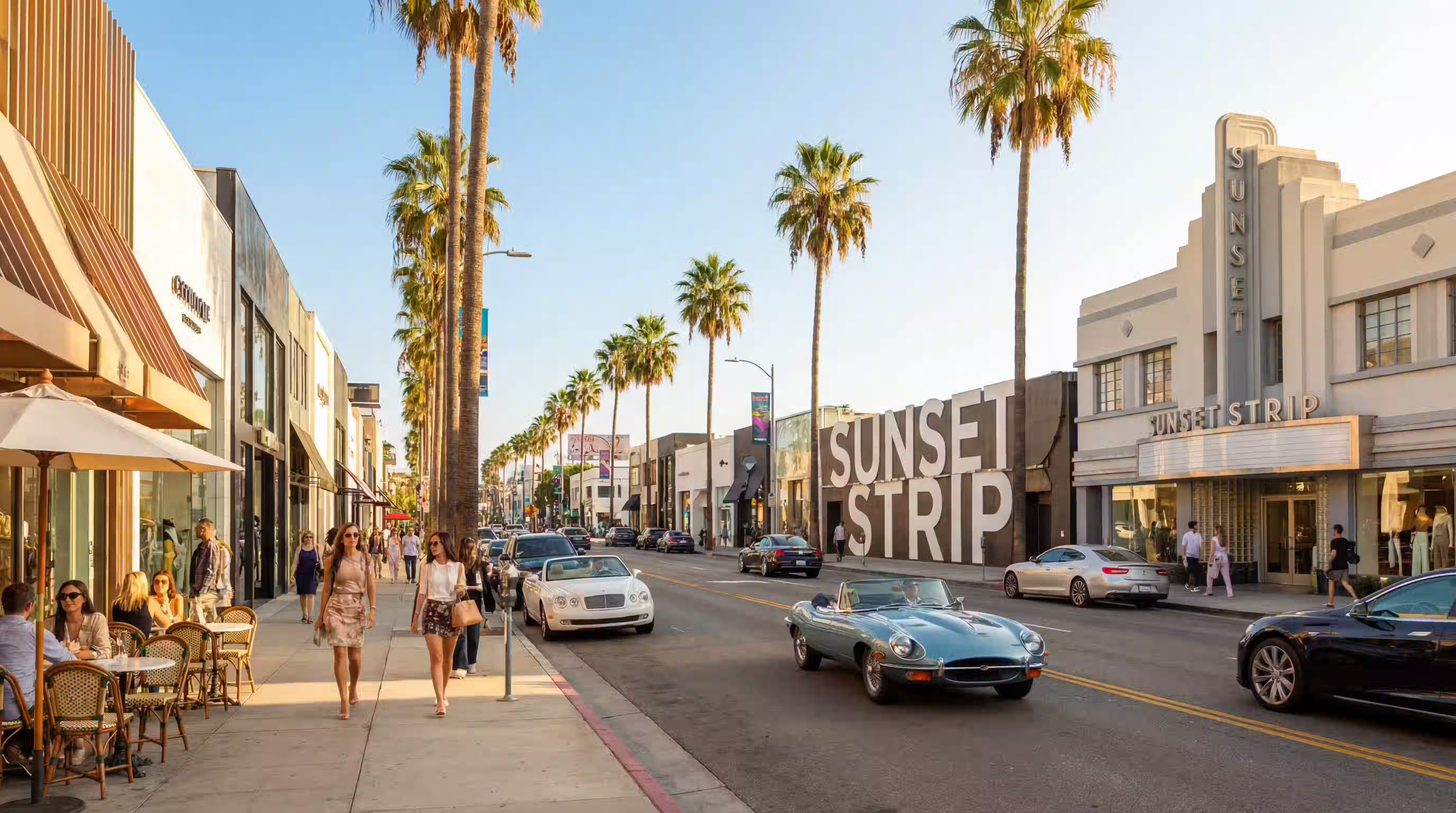
The Sunset Strip is the stretch of Sunset Boulevard in the city's northwest section, running from the Beverly Hills border to the Los Angeles city line. Along the same Beverly Hills edge stands Sierra Towers, a 31-story condominium high-rise completed in 1965 at 9255 Doheny Road. For a tower move we confirm elevator time and the loading area with the building before assigning a crew.
Santa Monica Boulevard, the city's main east-west street, once carried US Route 66 toward Santa Monica, and the state has relinquished its segment from Doheny Drive to La Brea Avenue to the City. The Design District sits around the intersections of Melrose Avenue, Beverly Boulevard and Robertson Boulevard, a corridor also known as the Avenues of Art and Design. Businesses there get the same curb-and-building review as homes, scheduled around their opening hours.
Surface Streets, Traffic and Rush Hours
West Hollywood has no freeway of its own. The state's planned Beverly Hills Freeway, which would have run in a trench along Santa Monica Boulevard, was cancelled in 1975, so every truck arrives and leaves on city streets. Undated counts on the City's open-data portal put Santa Monica Boulevard at about 45,000 to 53,000 vehicles a day and Sunset Boulevard at about 51,000 to 52,000, while counted residential streets carry from under 100 to about 7,000.
A City parking notice from July 2020 described peak-hour restrictions from 7 to 9 a.m. and 4 to 7 p.m. on La Brea Avenue, Crescent Heights Boulevard and Fountain Avenue. Whatever applies now, the sign posted on moving day is what counts, and we read it when we pick the stop. Because crew time is billed by the hour, we plan the drive between addresses outside those windows when the schedule allows.
Leaving West Hollywood: Freeway Access and Long-Distance Moves
Every longer trip starts on a boulevard. La Cienega Boulevard begins at the Sunset Strip and runs south through Beverly Hills as a city street, meeting the Santa Monica Freeway (I-10) at an interchange. Santa Monica Boulevard heads west through Beverly Hills and Century City to the San Diego Freeway (I-405), and east of La Brea Avenue it continues as State Route 2 to the Hollywood Freeway (US-101).
For a move to another state, our long-distance moving service works from a binding estimate based on distance, weight and the services you choose, and we pick the on-ramp by destination and hour. Shorter moves, such as one across the line to Beverly Hills, stay on hourly rates; other cities we serve nearby are listed on the Los Angeles County page.
Planning a Move In or Out of West Hollywood?